On this page
- Which dive areas do Sumbawa routes use?
- How deep are the sites, by operator lists?
- What level of certification do operators ask for?
- How many dives a day should you plan on?
- What marine life do operators report beyond whale sharks?
- What is Gili Banta like?
- How do visibility and water temperature change?
- Is diving worth it at Saleh Bay's platforms?
- Which extras do divers pay for?
- Which published prices did we check?
- What other questions do divers ask about Sumbawa?
- Which sources support this page?
- How do I reach the desk?
By Sumbawa Liveaboard Editorial Desk
Sourced figures: prices in the table are published by the operators and guides named, with source and check month. They are not our offers, and they change. Nothing here is legal or medical advice.
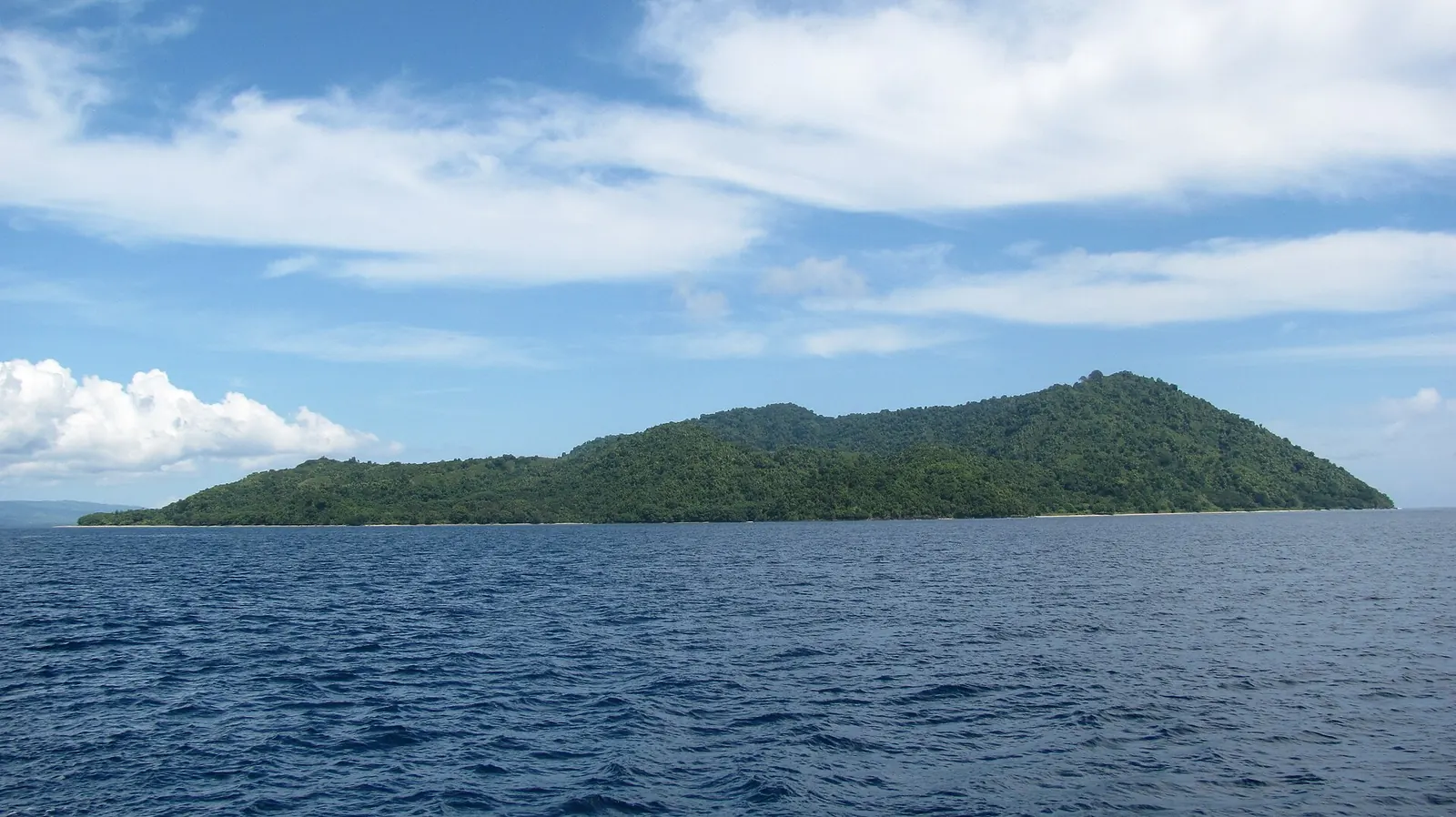
Published dive trips along Sumbawa work some mix of Moyo, Satonda, Saleh Bay, Sangeang and Gili Banta. Komodo Resort lists site depths from 5 to 40 m and recommends Open Water for most sites and Advanced for Gili Banta, where currents run strong. Depths and levels below stay credited to the operator or diver site that published them.
Which dive areas do Sumbawa routes use?
Seven areas recur when operators and divers describe a Sumbawa liveaboard. No boat has to visit all of them, and the sites named under each area come from different companies, so treat this as a map of what has been published and not as a single itinerary.
| Area | Names published | Who publishes them |
|---|---|---|
| Moyo | Angel Reef, Little Angel, Panjang Reef | Arenui, Coralia |
| Saleh Bay | Whale shark encounters around fishing platforms | Ocean Earth Travels, Coralia |
| Satonda | Sumbawa Surprise, plus a night dive | Coralia |
| Sangeang | Hot Rocks, Bubble Reef, Bonto Reef | Arenui, Liveaboard Indonesia |
| Gili Banta | Galley Rock | Dive Happy |
| Teluk Sanggar | Depth listed; no site named | Komodo Resort |
| Bima | Bima Bay, Tanjung Batuputih | Dive The World |
Trip length decides how many of these you will realistically see, and the route comparison shows which trips reach which. Coralia's sample Labuan Bajo round trip of 10 nights covers Moyo, Saleh Bay and Satonda and warns that the itinerary may change. Neptune's site, describing its Bali to Labuan Bajo crossing, also mentions Sangeang and, in season, Saleh Bay. Arenui's sample describes volcanic bubbles escaping from the seabed in the shallows at Hot Rocks; ask whether it is run as a shallow dive and what level the operator asks for. For the volcanic sites, read whether a Sumbawa liveaboard visits Sangeang, because not every crossing does.
How deep are the sites, by operator lists?
Komodo Resort publishes the one consistent list here. Figures from other sources sit in their own column so that you can see where they add detail, and they should not be blended into a single range.
| Area | Komodo Resort site depth | Separate figure, separate source |
|---|---|---|
| Moyo reefs | 5 to 30 m | Angel Reef wall to over 40 m (Arenui) |
| Saleh Bay | 5 to 18 m | Bay about 70 m deep in parts, encounters in the top few metres (Ocean Earth Travels) |
| Satonda | 10 to 35 m | Not published |
| Gili Banta | 10 to 40 m | Not published |
| Teluk Sanggar | 5 to 25 m | Not published |
| Sangeang (Hot Rocks) | Not listed | Gas vents at 5 to 15 m (Liveaboard Indonesia); site at 5 to 25 m (Neptune) |
| Tanjung Batuputih, near Bima | Not listed | Fringing reef to 20 m, then a wall to 40 m (Dive The World) |
Read these numbers as the span a site offers. A published range of 10 to 40 m does not mean the group will go to 40 m, and it does not mean the shallow end is where the interesting reef sits. The dive plan comes from the guide on the day, within the limit of your training. The Saleh Bay row shows why context matters. One tour operator stresses that the bay is a deep inlet, and the action still happens near the surface, so a 70 m figure has little to do with how hard the encounter is.
What level of certification do operators ask for?
Komodo Resort recommends Open Water certification for most sites and Advanced for Gili Banta. Neptune's scuba site draws a stricter line for the June crossing: Advanced Open Water with a minimum of 25 logged dives. Liveaboard Indonesia says Saleh Bay and Panjang Reef suit Open Water divers and that Gili Banta requires Advanced. EcoPro Divers rates its Komodo to Sumbawa trip as advanced. These are companies' recommendations, and each boat can apply its own, so ask before paying.
A short message to an operator should state:
- Your certification level and the agency that issued it.
- Your total logged dives, and your most recent dive date.
- Your experience with current and with reef hooks, if any.
- Whether you hold dive insurance, since La Galigo says many operators require proof of it before boarding.
- Which sites you most want to dive, so the boat can say early whether you qualify for them.
A diver who books a Gili Banta route on an Open Water card should know before paying whether those dives are open to them, and what happens if the guide says no.
How many dives a day should you plan on?
About three on a full diving day, going by the published trips. EcoPro Divers states 3 dives on marine park days, none on the days of arrival and departure, and one or two on the morning before departure. Neptune gives about 25 dives over 9 nights, and Coralia about 30 to 32 over 10 nights, which by our arithmetic is close to three a night in both cases. EcoPro also asks divers to leave at least 24 hours between the last dive and a flight, so a boat that docks in the afternoon may need a hotel night before you fly.
Short programmes from Sumbawa Besar are a different product: the lists in our 4D/3N guide name snorkel gear and no tanks, so ask before you assume any scuba at all. If you are counting dives against a rate, ask how many are planned on each named day, and what happens to the count when a site is dropped.
What marine life do operators report beyond whale sharks?
The lists below come from people selling or arranging trips, so read them as what has been seen and not as odds. They do disagree. Liveaboard Indonesia describes reef mantas at Gili Banta cleaning stations year-round with peak activity from April to November, while Neptune calls mantas there occasional.
| Area | Reported life | Source |
|---|---|---|
| Angel Reef, Moyo | Redtooth triggerfish, bannerfish and batfish at the wall; yellowtail tuna and blacktip reef sharks deeper | Dive The World, Liveaboard Indonesia |
| Moyo reefs | Green and hawksbill turtles | Liveaboard Indonesia, Neptune |
| Panjang Reef, Moyo | Bi-colour angelfish, harlequin sweetlips, blue-ringed octopus if you are lucky | Dive The World |
| Satonda | Clown frogfish and crinoids on a night dive; pygmy seahorses on the outer walls | Dive The World, Liveaboard Indonesia |
| Sangeang | Pygmy seahorses, ghost pipefish, frogfish, nudibranchs and sea moths on black sand | Dive The World, Liveaboard Indonesia, Neptune |
| Gili Banta | Reef mantas, grey reef sharks, schooling fish | Liveaboard Indonesia, Neptune |
| Tanjung Batuputih | Eagle rays, white tip sharks, tail-fin batfish | Dive The World |
| Open water crossings | Dolphins, seen from the deck | Neptune |
For macro photographers, the black sand at Sangeang and the night dive at Satonda are the two places these sellers point to most. Ask the boat what its guides logged at your stops in the same month last year, which tells you more than a species list. Dive The World also reports reef damage at Moyo, covered on our Moyo page.
What is Gili Banta like?
Dive Happy, a site written by divers, places Gili Banta off Sumbawa just outside the Komodo National Park boundaries and describes Galley Rock as known for manta rays, with strong currents. Liveaboard Indonesia goes further and calls reef hooks essential there. Komodo Resort's depth listing of 10 to 40 m and its Advanced recommendation fit that picture of a demanding site.
Mantas are a report of what the site is known for, so nobody should book on the assumption of seeing them. Practical points follow from the current: bring your own reef hook or confirm the boat supplies one, and ask how the guide handles a drift. Being outside the park boundary also raises a fair question about which fees apply on that day, so ask. Neptune One's crossing, as described on Komodo Resort's page, is one published route that names Gili Banta as a destination.
How do visibility and water temperature change?
Komodo Resort's monthly table runs from 10 to 15 m of visibility in January and December up to 20 to 30 m from May to August, with water of 26 to 29 degrees Celsius. Liveaboard Indonesia gives Saleh Bay as typically 10 to 15 m because the water is plankton-rich. The ISRA factsheet records sea surface temperatures in Saleh Bay of about 25 to 33 degrees Celsius. Dive The World and Liveaboard Indonesia both give 24 to 28 degrees Celsius, a range that overlaps Komodo Resort's without matching it. These are measurements of different things, by different authors, so they should not be merged into one Sumbawa figure.
The Saleh Bay point is easy to miss. If Liveaboard Indonesia is right about plankton, a month with clear water on the outer reefs can still mean a murkier bay. A guest choosing between whale shark time and crisp wall photography should accept that one trip may not deliver both at their peak.
To assess a particular month, work through three sources in order:
- Rain: Climates to Travel gives a rainy season from December to March and a dry season from June to September.
- Whether boats run: Neptune's site says liveaboards rarely make the crossing from December to March, because the northwest monsoon brings swell to the north coast.
- Water clarity: compare your month with Komodo Resort's table, then ask the boat for its own recent logs.
Our best-time guide weighs those seasons against whale shark records. On exposure protection, Komodo Resort suggests a 3 mm full wetsuit, and our packing guide sets that beside the operators who advise 5 mm.
Is diving worth it at Saleh Bay's platforms?
It depends on what you want from the encounter. Ocean Earth Travels says meetings with whale sharks happen in the top few metres around the platforms, so a tank buys you time and a view from below more than access. Amanwana's trade guide offers viewing from the boat or snorkelling as standard, and charges a surcharge for diving, which tells you the resort treats it as an add-on.
Group size is a separate question for divers. A Konservasi Indonesia carrying-capacity study concluded a maximum of 8 people for diving and snorkelling at a bagan, and Amanwana's own rules allow 6 guests in the water per rotation. Those limits come from different documents, so ask your operator how many people from the boat enter the water together. The wider rules are in our guide to Saleh Bay whale shark rules.
Which extras do divers pay for?
Komodo Resort's list for one trip is a useful template. Scheduled dives with tanks and weights are included, while Nitrox and rental equipment are excluded. La Galigo's estimates for full rental and for Nitrox appear in the price table on this page, and the rate is per day in both cases. La Galigo's guide also gives a separate per-trip Nitrox figure, so ask your boat which basis it charges on. The Sumbawa liveaboard cost page has the whole-trip rates, and our note on hidden costs covers the non-diving items on the same bill.
Komodo Resort strongly advises dive cover because, it says, the nearest recompression chamber is in Bali. EcoPro Divers names Siloam Hospital in Labuan Bajo instead. Australian government travel advice separately warns travellers not to assume that insurance covers adventure or high-risk activities, so read your policy for depth limits before you board. Our safety checklist takes that further.
Which published prices did we check?
Rates and fees published by named operators, trip organisers and travel guides, each with its source and the month we checked it. They are not our offers. Rates change, and estimates are labelled as estimates; check the source before you rely on a figure.
| Item | Published price | Source | Checked |
|---|---|---|---|
| Full dive equipment rental, per day (operator estimate) | US$35 to US$50 | lagaligoliveaboard.com | Nov 2026 |
| Nitrox, per day (operator estimate; the same guide also gives a per-trip figure) | US$10 to US$25 | lagaligoliveaboard.com | Nov 2026 |
What other questions do divers ask about Sumbawa?
Is Gili Banta included in Sumbawa liveaboard routes?
Not on every route. Neptune One's crossing runs to it, as described on Komodo Resort's page, while other published samples lead with Moyo, Saleh Bay and Satonda. Confirm it by day number if Galley Rock is why you are going.
What is the visibility like on a Sumbawa liveaboard?
It depends on the month and the site. Komodo Resort reports the clearest water from May to August and the lowest in January and December, and Liveaboard Indonesia treats plankton-rich Saleh Bay as a lower-visibility area.
Can an Open Water diver join a Sumbawa liveaboard?
Yes, on some boats. Komodo Resort recommends Advanced only for Gili Banta, while Neptune recommends Advanced with 25 logged dives for its crossing, so state your level and logged dives before you pay.
Do I need dive insurance for a Sumbawa liveaboard?
Yes, plan on it. La Galigo says many operators ask for proof before boarding, and Komodo Resort strongly advises cover. Check that your policy applies to the depths and the area you will dive.
How many dives does a long Sumbawa trip include?
Coralia's sample 10-night round trip gives about 30 to 32 dives, and Neptune gives about 25 over 9 nights. Those are two operators' plans for one route each, and Coralia warns its itinerary may change, so use them as comparison points and not a norm.
Which sources support this page?
- Komodo Resort: Sumbawa liveaboard page
- Arenui: sample Komodo and Sumbawa itinerary, 10 days 9 nights
- Coralia Liveaboard: sample Komodo and Sumbawa itinerary (PDF)
- Liveaboard Indonesia: Sumbawa destination notes
- Dive Happy: Galley Rock, Gili Banta
- Ocean Earth Travels: whale sharks of Saleh Bay
- ISRA factsheet: Saleh Bay Important Shark and Ray Area
- Neptune Scuba Diving: Sumbawa liveaboard page
- Climates to Travel: Sumbawa climate
- La Galigo Liveaboard: Sumbawa cost guide
- Australian Government Smartraveller: Indonesia
- Amanwana whale shark experience trade guide (PDF)
- Konservasi Indonesia: 2025 whale shark study (PDF)
- Dive The World: Sumbawa diving guide
- EcoPro Divers: Komodo to Sumbawa
How do I reach the desk?
Send your certification, logged dives and target month to WhatsApp +62 811-3941-4563 or bd@juaraholding.com. A reply from the desk is not a booking.
Send the desk your route, dates, and group size. The desk replies in writing.
Ask the desk on WhatsApp bd@juaraholding.com