On this page
- What do governments advise about boats in Indonesia?
- Which equipment do operators list?
- What about decompression and dive insurance?
- Is dive insurance compulsory, and where is the nearest chamber?
- What health advice applies?
- What should you see in writing?
- What do travellers ask about safety?
- Which sources support this page?
- How do I reach the desk?
By Sumbawa Liveaboard Editorial Desk
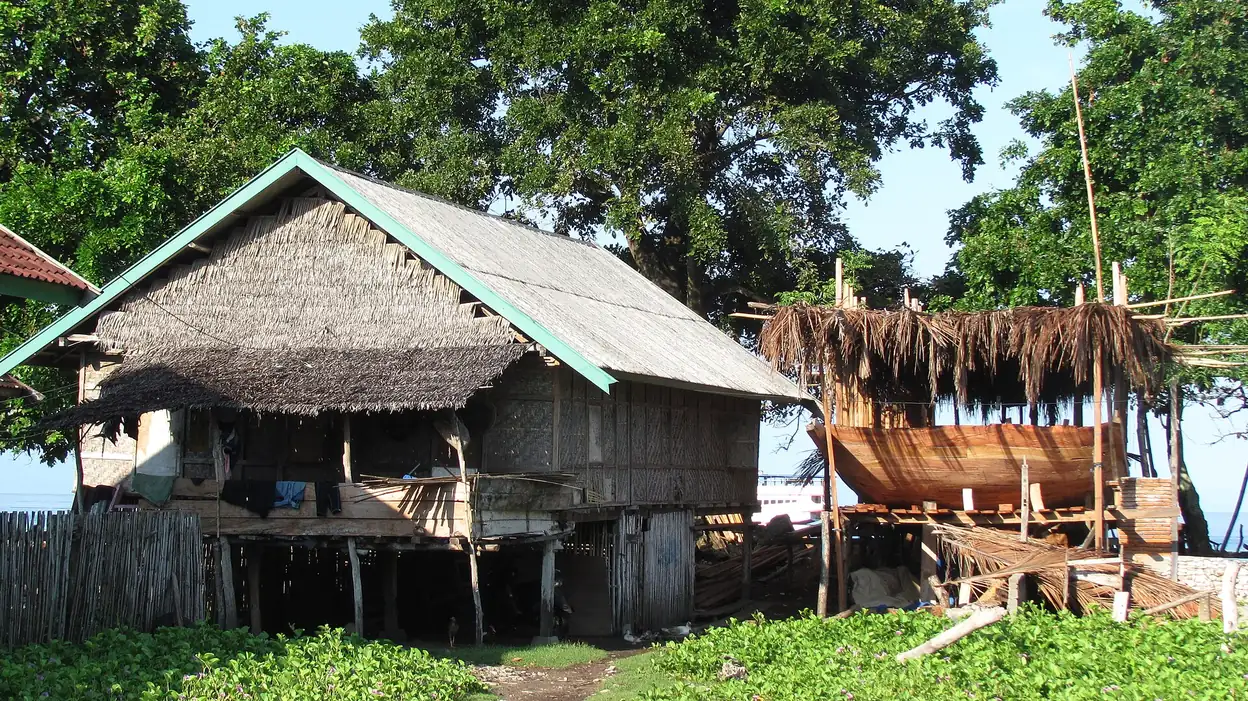
No source rates Sumbawa liveaboards as a group, and neither do we. Australia's government warns that boat travel in Indonesia can be dangerous and that operators may not meet international standards, so safety comes down to the individual boat. Check its equipment, the crew's emergency plan, your insurance and your health advice, in writing, before you board.
What do governments advise about boats in Indonesia?
Start with official travel advice, because it comes from someone with nothing to sell you. Australia's Smartraveller calls travel by boat or ferry in the country potentially dangerous, and warns that the people running it may fall short of international safety and maintenance standards. That is a statement about a country and a sector. It does not single out Sumbawa, and it is no verdict on any one vessel.
The same advice includes a warning that is easy to overlook on a trip of this kind: be careful swimming or snorkelling near motor-powered boats. Ask how the crew keeps swimmers clear of propellers, including those of other boats nearby, and who is watching while you are in the water.
Indonesian officials have raised a related concern closer to the bay. Konservasi Indonesia quotes a marine affairs ministry official who worries about whale shark outings run outside the technical guidelines and links weak management to harm for the sharks and for the visitors alike. Its carrying-capacity study also advises against watching whale sharks from the bagan, for safety reasons, which is worth remembering if a guide invites you onto a fishing platform.
Season is a safety question too. Neptune's site says few boats attempt the passage between December and March, with the northwest monsoon pushing swell against the north shore. If someone offers you that passage in those months, ask what has changed, and how the boat handles the swell Neptune describes.
Which equipment do operators list?
One published list gives you a start on what to ask of any Sumbawa liveaboard: Green Rinjani itemises what one of its boats carries, from life jackets to a life raft, along with a limit of 39 passengers. That is one boat on a Lombok route and no standard for the market, but it gives you a useful set of prompts.
| Item on that list | Question to put to any boat |
|---|---|
| Life jacket | Is there one for every guest, in the sizes aboard, and where are they stored? |
| Life raft | Does its capacity cover everyone on board, including crew? |
| Radio | Who does the crew call in an emergency, and on what? |
| GPS and compass | Are they working on this departure, and is there a backup? |
| AIS | Is it fitted and switched on while under way? |
| Passenger limit | What is the limit for this boat, and how many are booked on your date? |
Add your own questions about what that list leaves out. You might want to know about oxygen for divers, the first aid kit, fire safety and the number of tenders. This site does not rate vessels. Our guide to comparing Sumbawa liveaboard boats puts safety alongside the other things that separate one boat from another.
What about decompression and dive insurance?
Treat dive insurance as a condition of going. Komodo Resort strongly advises it because, by its account, a diver needing recompression would have to reach Bali. No health authority here confirms that, so treat it as the operator's word. If it holds, a diver with symptoms in Saleh Bay faces a long journey, and that should shape how conservatively you dive.
La Galigo's guide reports that plenty of operators will want to see dive cover before you step aboard, so keep the policy document to hand. Then check the policy against the trip itself. Smartraveller cautions that a travel policy may not extend to adventure or high-risk activities. Read yours for depth limits, certification conditions, medical evacuation from a remote area, and cover for boat travel.
Conditions matter as well. Komodo Resort reserves its Advanced recommendation for Gili Banta. On Gili Banta itself, Dive Happy describes strong currents at Galley Rock, and Liveaboard Indonesia calls reef hooks essential. If those stops are on your itinerary, be candid with the operator about your recent diving. The guide to diving from a Sumbawa liveaboard describes the sites in more detail.
Is dive insurance compulsory, and where is the nearest chamber?
On the boats that say so, yes. Mermaid Liveaboards states that dive and travel insurance are both compulsory on all its trips, and that dive insurance is mandatory in Indonesia by government law. We have not found the law it refers to, so read that second claim as the operator's word. EcoPro Divers requires proof of cover for diving accidents at check-in. Komodo Resort only says strongly advised, and La Galigo says many operators require it, so the rule you meet is your boat's.
On the chamber, two operators disagree. Komodo Resort puts the nearest one in Bali, and EcoPro Divers says the closest is at Siloam Hospital in Labuan Bajo. No health authority we have opened confirms either, so ask which chamber the boat's emergency plan names for its farthest stop on your route, and how a diver reaches it. Mermaid's minimum cover list is a usable check: dive accident cover with hyperbaric treatment abroad, emergency medical costs and medical evacuation, with trip interruption and cancellation cover strongly recommended. Hold your own policy against those lines.
What health advice applies?
The US CDC names the rural parts of West Nusa Tenggara as a malaria transmission area, and recommends preventive medicine for travellers to certain areas of Indonesia. Sumbawa lies in that province, and many stops on these trips are remote. Take your route to a doctor or travel clinic well before departure and ask what applies to it. This page is no substitute for that appointment.
Think about what you bring as well, because a remote coastline changes the calculation. Carry enough of any prescription medicine for the whole trip plus a margin, tell the operator about any condition that matters at sea or under water, and ask what the crew would do with a guest who became seriously ill two days from port. The answer tells you a good deal about how the boat is run.
What should you see in writing?
Ask for the following before you pay anything. A serious operator should not find any of it surprising.
- The name of the boat, and the licensing or registration papers it holds. Ask the operator to name and show them.
- The maximum number of guests and crew on your departure.
- The safety equipment carried, and where you will be briefed on it.
- The emergency plan: who decides, whom they call, and where a sick or injured guest is taken.
- The conditions under which a stop or a dive is cancelled, and what happens to your money if it is.
- For divers, the insurance proof and certification required, and any limit on depth or number of dives.
Hold every offer to that list, ours included. Anyone writing to this desk may end up signing with one of our group's companies, so we have a stake in the outcome, and you should press us on these points as hard as you would press anyone else. Nothing here vouches for a boat you have not checked yourself.
What do travellers ask about safety?
Is there a safety rating for Sumbawa liveaboards?
No, none has turned up, and this site does not issue any. You have to judge the individual boat from what the operator will show you in writing, starting with the items listed on this page.
What safety equipment is required on a Sumbawa liveaboard?
No source we have found sets out the legal requirement for these boats. One operator's list, for a boat on a Lombok route, covers flotation, communications, navigation and a life raft, so ask for the equivalent.
Is Saleh Bay considered safe for whale shark activities?
There is no blanket answer, and the concern on record is about management. A ministry official quoted by Konservasi Indonesia links poorly managed tourism to visitor safety, and its study advises against watching from the bagan, so ask how your guide runs the encounter.
What are the risks from diving conditions around Sumbawa?
Strong current is the one the sources name most clearly, at Gili Banta in particular, where Advanced certification is recommended and reef hooks are called essential. Conditions vary by site and season, so ask for a briefing and match each dive to your experience.
Does ordinary travel insurance cover a liveaboard dive trip?
Not necessarily. A standard policy may exclude adventure or high-risk activities, as Australia's advice points out, and some operators ask for proof of dive insurance before boarding. Check the wording of your own policy, and ask the insurer to confirm in writing if it is unclear.
Which sources support this page?
- Smartraveller, Australian Government travel advice for Indonesia
- Konservasi Indonesia, national whale shark action plan report
- Konservasi Indonesia, whale shark tourism study
- Neptune Scuba Diving, Sumbawa liveaboard page
- Green Rinjani, Komodo and Lombok 4-day trip page
- Komodo Resort, Sumbawa liveaboard page
- La Galigo Liveaboard, Sumbawa cost guide
- Dive Happy, Galley Rock at Gili Banta
- Liveaboard Indonesia, Sumbawa destination page
- US CDC, travel health advice for Indonesia
- Mermaid Liveaboards: dive and travel insurance
- EcoPro Divers: Komodo to Sumbawa
How do I reach the desk?
Safety questions about a specific offer are welcome. Send what you have been told, and we will say what we can and cannot establish. WhatsApp +62 811-3941-4563 or email bd@juaraholding.com.
Send the desk your route, dates, and group size. The desk replies in writing.
Ask the desk on WhatsApp bd@juaraholding.com