On this page
- What do climate records say about each month?
- What season do operators publish?
- What do scientific records say about whale shark months?
- Do more dry-season sightings mean more whale sharks?
- How do monsoon winds change the water?
- Which months are hardest for crossings?
- How should you weigh these sources when picking dates?
- What other questions do readers ask about timing?
- Which sources support this page?
- How do I reach the desk?
By Sumbawa Liveaboard Editorial Desk
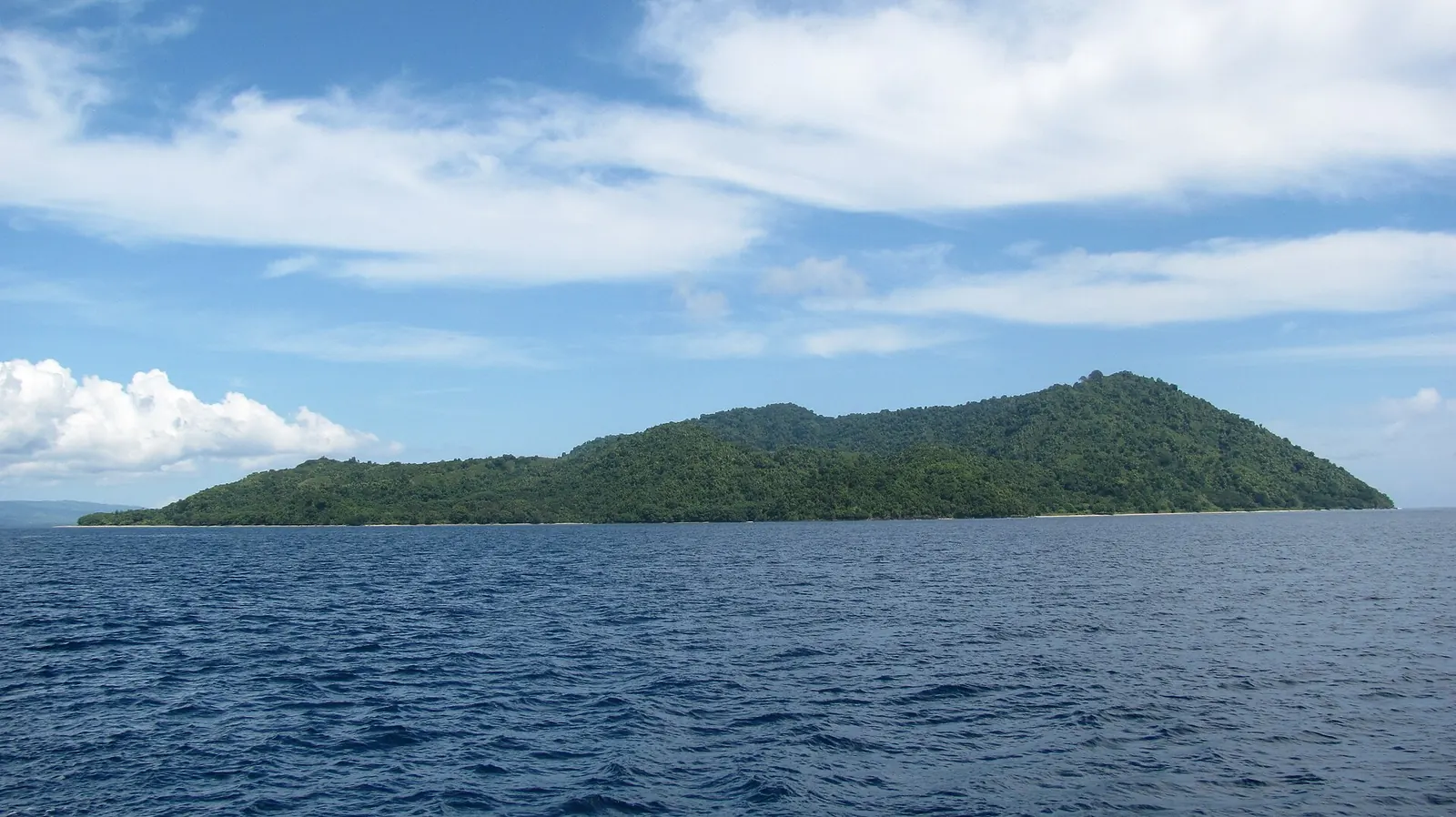
The best time for a Sumbawa liveaboard depends on what you want most. Climate records favour June to September for dry weather. La Galigo and Liveaboard Indonesia call April to November the peak or best season. On whale sharks the sources conflict: scientists logged most observations in March and April, while operators name May to October. Choose your priority first, then match the dates to it.
What do climate records say about each month?
Climates to Travel divides the year into a rainy season from December to March and a dry season from June to September. Its rain-day count for Sumbawa Besar falls from a January high to 1 in August and September. It also marks September to November as the peak of the heat, with highs that can reach 35 to 37 degrees Celsius, especially on the north side of the island. A boat following that north coast sits close to the hot end of the record, so shade on deck matters more in those months than it does in July.
April, May, October and November belong to neither season in that source. The table below puts the climate record beside what scientists and operators publish for the same month. A dash means the source gives nothing specific for that month, and we have left it empty so that nothing is guessed.
| Month | Rain and heat (Climates to Travel) | Wind in Saleh Bay (ISRA) | What operators and scientists publish |
|---|---|---|---|
| January | Rainy season; highest rain-day count | Northwest monsoon: low-speed winds, high rainfall | Neptune: crossings rare. Komodo Resort: lowest visibility of its table |
| February | Rainy season | Northwest monsoon | Neptune: crossings rare |
| March | Rainy season | - | Neptune: crossings rare. ISRA: most whale shark observations, with April |
| April | Between seasons | - | La Galigo and Liveaboard Indonesia: season opens. ISRA: most observations, with March. The Langkah: Moyo waterfalls strongest |
| May | Between seasons | - | Komodo Resort: whale shark season starts, visibility 20 to 30 m. The Langkah: Moyo waterfalls strongest |
| June | Dry season | Southeast monsoon: high-speed winds, lower rainfall | Komodo Resort: most consistent sightings, visibility 20 to 30 m |
| July | Dry season | Southeast monsoon | Same Komodo Resort statements as June |
| August | Dry season; 1 rain day | Southeast monsoon | Same Komodo Resort statements as June |
| September | Dry season; 1 rain day; peak heat begins | - | Komodo Resort: whale shark season continues |
| October | Between seasons; peak heat | - | Komodo Resort: last month of its whale shark season |
| November | Between seasons; peak heat | - | La Galigo and Liveaboard Indonesia: last month of the season |
| December | Rainy season | Northwest monsoon | Neptune: crossings rare. Komodo Resort: lowest visibility of its table |
What season do operators publish?
Mostly April to November. La Galigo calls that stretch the general peak season for a Sumbawa liveaboard, with calmer seas and higher prices. Liveaboard Indonesia gives the same months as the best season. Treat the price part as a general statement and compare actual quotes against our cost page.
These are companies selling trips, and a season statement from a seller tells you what that seller recommends. It is weaker evidence about what the sea or the wildlife will do on your dates. A long crossing is also bound to a schedule set well ahead, so the operator's calendar may limit you more than the weather does. Mermaid II's named 2027 departures for its Saleh Bay trip, for instance, sit between May and August, and that may say as much about where the boat is working as about the sharks.
What do scientific records say about whale shark months?
They do not match what operators publish. The ISRA factsheet says whale sharks were observed regularly in Saleh Bay between 2017 and 2022, year-round, with the largest number of observations in March and April. Komodo Resort says the season runs May to October and that June to August usually brings the most consistent sightings. Liveaboard Indonesia gives a peak of May to October.
So the months named by the scientific source fall mostly outside the months named by sellers. We cannot resolve that from the published material, and neither claim is a sighting rate. An observation count can reflect when people were present and looking. A seller's season can reflect when its boats happen to be in the area. Each may be accurate about what it measures.
A third account complicates the March figure. A travel writer says fishermen do not operate bagans around the full moon, so sharks are less likely to appear, and reports hearing of a two-week gap without sightings in March. That is hearsay from one trip and it is not science, but the moon point costs nothing to check against your dates. Our article on seeing whale sharks in Saleh Bay goes through the other factors, and the guide to a Saleh Bay whale shark liveaboard shows which trips include the stop.
Do more dry-season sightings mean more whale sharks?
Not necessarily, and one agency says so outright. Dive The World says whale sharks can be found in Saleh Bay all year, and that any rise in sightings from May to September comes from more visitors being in the area and not from more sharks being in the bay. It gives no count to support that. Liveaboard Indonesia also reports sightings in every month, while Neptune's site says the sharks are seen mainly in the dry season.
The moon may matter more than the month for a single morning. Adelaar says it times its Saleh Bay visits around the new moon, which fits the travel writer's account of bagans standing idle at the full moon. Bagan lights draw the small fish, so a working platform is what you are looking for. Both are sellers' or travellers' accounts and neither is measured. If you can choose between two departures in the same season, check the lunar calendar against the bay mornings on each, and ask the operator how many platforms were working on the same moon last month.
How do monsoon winds change the water?
Dry does not mean still. The ISRA factsheet says the northwest monsoon, December to February, brings low-speed winds and high rainfall to Saleh Bay, while the southeast monsoon, June to August, brings high-speed winds and lower precipitation. A traveller reading "dry season" as "flat water" would be wrong about the bay in those months. La Galigo still describes the wider April to November period as calmer, and we have not found measured sea-state data by month that could separate the two statements.
The winds also feed the bay. The same factsheet attributes Saleh Bay's productivity to river inputs year-round and to seasonal upwellings produced by monsoon winds. Sea surface temperatures there range from about 25 to 33 degrees Celsius, in ISRA's figures for the bay alone.
For the wider route, Komodo Resort's monthly table gives water of 26 to 29 degrees Celsius and visibility of 20 to 30 m from May to August. The temperature figures come from different sources covering different areas, so read them separately. If you dive, the visibility numbers matter more than the rain, and the diving guide breaks them down by site. Ask for the figure on your own route, and remember that plankton-rich water around the bagans may read lower than a route-wide number.
Which months are hardest for crossings?
December to March. Neptune's scuba site says liveaboards rarely make the crossing in those months because the northwest monsoon brings swell to the north coast. That lines up with the rainy season in the climate record, and with the April start La Galigo and Liveaboard Indonesia give. Our separate article on visiting Sumbawa during the rainy season covers what still works in those months and how to plan around them.
The second difficulty is a different kind. September to November may be workable at sea but hard going on land, given the heat figures above, and that matters if your plan includes a walk on Moyo, the climb to the lake on Satonda or a hike on the north side. Ask how much of each day is spent ashore, and when.
How should you weigh these sources when picking dates?
Decide which single outcome you would be most disappointed to miss, then use the row that fits it. Each row names the source and its weakness.
| Your priority | Months the source points to | Source | Weakness |
|---|---|---|---|
| Least rain | June to September | Climates to Travel | Land record at Sumbawa Besar, not sea conditions |
| The sellers' peak or best season | April to November | La Galigo, Liveaboard Indonesia | Sellers' statements; La Galigo links them to higher prices |
| Whale sharks, by observation record | March and April | ISRA | Counts of observations, not a rate; March falls when crossings are rare |
| Whale sharks, by operator season | May to October, June to August most consistent | Komodo Resort | Seller's statement with no figures we could test |
| Clearer water | May to August | Komodo Resort | Route-wide table from one operator |
| Full waterfalls on Moyo | April and May | The Langkah | One local operator's statement |
If you want one month to start your search, May is the only month that appears in the sellers' peak or best season, Komodo Resort's whale shark season, its clearer-water period and The Langkah's waterfall window. It falls outside both ISRA's busiest months and the formal dry season, so it is an overlap of sources and not a forecast. June to August suits a guest who trusts the operators on sharks and accepts a windier bay. April suits a guest who gives more weight to the scientific record, though it is only the first month of the sellers' season.
Whichever you choose, run these checks before you commit:
- A departure exists. Confirm a boat you would actually sail on leaves in that window. Published dates are the operators' own, and some crossings run only once a year. The route comparison and the Bali to Komodo crossing guide list the dated ones, and the 4D/3N guide covers private programmes where you propose the date.
- The moon. Compare your bagan mornings with the lunar calendar, given the travel writer's account and Adelaar's new moon timing.
- The operator's own record. Ask how many departures in that month reached Saleh Bay last season, and how many met sharks. A seller that keeps numbers can share them.
- The shore plan. From September to November, ask when walks are scheduled and how much shade the boat has.
What other questions do readers ask about timing?
What is the best month for a Sumbawa liveaboard?
No single month wins every test. May is where the most sources overlap, June to August are favoured by Komodo Resort for whale sharks and clear water, and August and September have the fewest rain days at Sumbawa Besar.
Is June to August the peak for whale sharks in Saleh Bay?
It depends on whom you read. Komodo Resort says those months bring the most consistent sightings, while the ISRA factsheet records the largest number of observations in March and April. Neither figure is a sighting rate.
Do liveaboards cost more in peak season?
Yes, according to La Galigo, which links April to November with higher prices. We have not found a figure for the difference, so compare quotes for your actual dates and not a general seasonal percentage.
Is the dry season calm in Saleh Bay?
Not necessarily. The ISRA factsheet says the southeast monsoon from June to August brings high-speed winds to the bay, even though rain is lower. Ask your operator how it handles windy mornings at the platforms.
When is Sumbawa hottest?
September to November, according to Climates to Travel, with highs that can reach 35 to 37 degrees Celsius, especially on the north side. Plan shore walks for the cooler part of the day in those months.
Which sources support this page?
- Climates to Travel, Sumbawa climate guide
- La Galigo, Sumbawa liveaboard cost guide
- Liveaboard Indonesia, Sumbawa destination guide
- Mermaid Liveaboards, 8-day Komodo and Saleh Bay itinerary
- ISRA factsheet on Saleh Bay (IUCN SSC Shark Specialist Group)
- Komodo Resort, Sumbawa liveaboard page
- First-person report by a travel writer on a Saleh Bay whale shark trip
- Neptune's scuba site, Sumbawa liveaboard page
- The Langkah, Moyo Island guide (local operator)
- Dive The World: Sumbawa diving guide
- Adelaar Cruises: the whale sharks of Teluk Saleh
How do I reach the desk?
Tell the desk which months you can travel and which outcome matters most, by WhatsApp on +62 811-3941-4563 or by email to bd@juaraholding.com. We will tell you what the sources on this page say about those dates. Departure dates quoted here belong to the operators named, and availability is theirs to confirm.
Send the desk your route, dates, and group size. The desk replies in writing.
Ask the desk on WhatsApp bd@juaraholding.com