On this page
- What should you compare first, route or boat?
- What should the offer say about inclusions and exclusions?
- Which safety questions deserve a written answer?
- What should you ask about the whale shark stop?
- How should payment and cancellation terms read?
- Who are you actually buying from?
- How do you lay offers side by side?
- How do you test an offer from this desk?
- What do buyers ask when comparing boats?
- Which sources support this page?
- How do I reach the desk?
By Sumbawa Liveaboard Editorial Desk
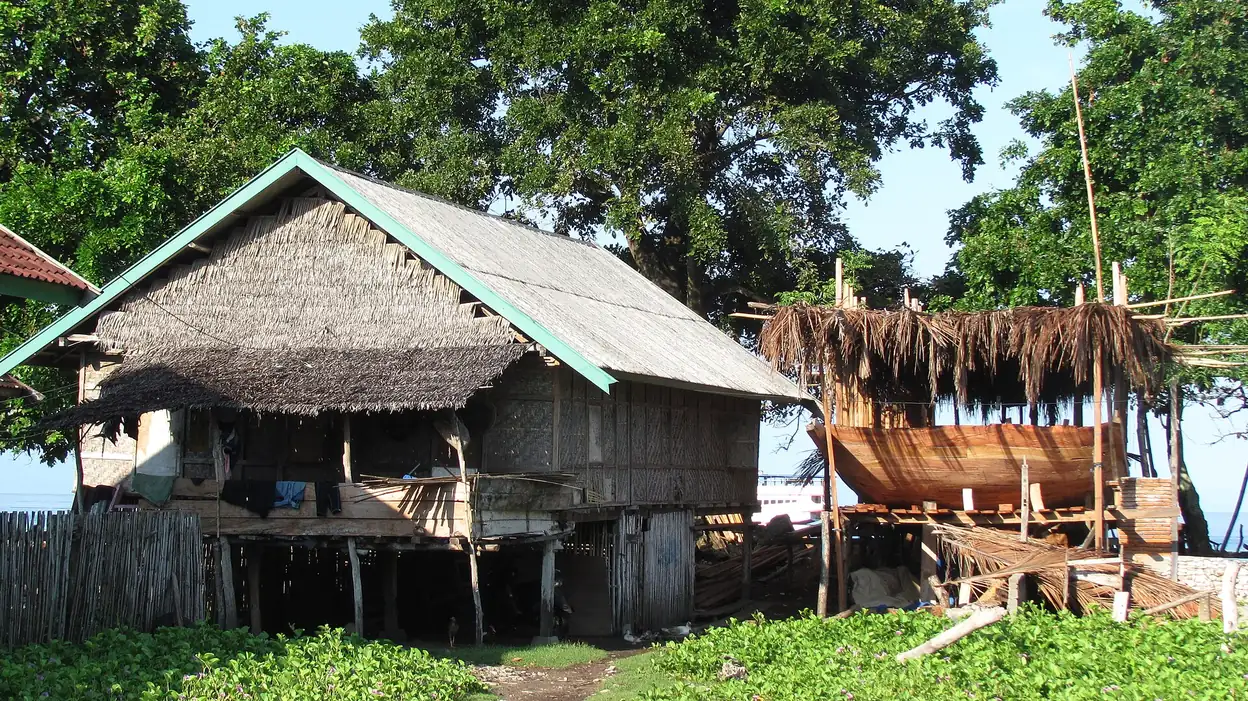
Compare Sumbawa liveaboard boats in this order: the route, the written inclusions, the safety answers, the whale shark conduct, then payment and cancellation terms. Boat size and cabin count come after those. Apply the same test to every offer, including one from this desk, because a request sent here can lead to a contract with our companies.
What should you compare first, route or boat?
Route first, because each Sumbawa liveaboard names different stops. A handsome boat that skips the stop you came for is the wrong boat, and the route comparison will remove most candidates before you read a single cabin description. Only then does the boat matter, and here listings are weakest. A traveller on the Lombok corridor wrote that many boats looked tired and basic up close, which is something no specification sheet will tell you. Ask for recent photographs of the actual cabin and deck you would use, and ask when they were taken.
Published specifications show how far apart these boats can be. The figures below come from the people selling each trip. Read them as examples and not as a market norm.
| Boat | Described by | Size as stated |
|---|---|---|
| Neptune One | Komodo Resort | 39-metre phinisi, 8 cabins, 16 guests |
| Naga Biru | Tropical Snorkeling | 7 cabins, 12 guests |
| KLM Menami | Komodo Island Tour | 34 people |
| Sukha Sail | Komodo Island Tour | 19 people |
| Boat on its Labuan Bajo to Lombok itinerary | Green Rinjani | Maximum of 39 passengers |
Treat the guest number as the start of a question. How many people share a bathroom, a tender and a dive guide on this departure? How full is the boat likely to be? A boat for 12 and a boat for 39 are different holidays, and neither answer is wrong until you know what you want from the week.
What should the offer say about inclusions and exclusions?
It should say both, in the same document, before you pay. Refuse to treat a rate as a rate until the exclusions sit beside it, because some lines can surface late. Published examples show how much the lines move from one seller to the next.
| Item | What one seller publishes | What to ask |
|---|---|---|
| Cabin | Komodo Resort lists a cabin with en-suite as included, and a single cabin supplement as excluded | Is the bathroom private in every cabin class? What does a solo guest pay? |
| Transfers | Included on Komodo Resort's list; Green Rinjani names a bus transfer | From which point, to which point, and at what time? |
| Diving | Komodo Resort includes scheduled dives with tanks and weights, and excludes Nitrox and rental equipment | How many dives are scheduled, and what is the total if you rent? |
| Park and port fees | Excluded by Komodo Resort; Sumbawa Tour lists an entrance fee as included | Which parks, how much, and paid to whom? |
| Whale shark stop | Sumbawa Tour lists a bagan fee and a local guide boat as included | Is anything payable on the day? |
| Snorkel gear | Komodo Resort includes it; Green Rinjani and Sumbawa Tour list it without fins | Should you pack your own fins? |
| Internet | Komodo Resort lists basic Starlink as included on Neptune One, with a premium package as an extra | What does "included" allow you to do from the boat? |
| Insurance, flights, hotel | Green Rinjani lists all three as excluded | What must be in place before boarding? |
For the longer list, read what a Sumbawa liveaboard usually includes and the costs that surface late.
Which safety questions deserve a written answer?
The ones you could not fix once you are at sea. Australia's travel advice says boat or ferry travel in Indonesia can be dangerous and that operators may not comply with international safety and maintenance standards. So the burden sits with the buyer. Put these to every seller, and keep the replies.
- What is aboard this boat on this departure? Green Rinjani lists a life jacket, radio, GPS, compass, AIS and life raft for one boat. That gives you a template for your question. A list proves only what its author says.
- What is the medical plan from the farthest stop? Komodo Resort names Bali as the location of the nearest recompression chamber. Ask how a sick diver gets there, and who pays.
- Which insurance do you need to show? La Galigo reports that many boats ask to see dive cover before boarding. Get the requirement before you buy a policy. Then read that policy, because the Australian advice warns against assuming that travel insurance covers adventure or high-risk activities.
- How are tenders managed around swimmers? The same advice asks for care when swimming or snorkelling near motor-powered boats, and a bagan stop puts boats and swimmers close together.
The safety guide takes these points further.
What should you ask about the whale shark stop?
Ask which code of conduct the crew follows, and who enforces it in the water. Tiger Blue states a code of no touching and no chasing. Amanwana's guest rules are more specific: no physical contact, 3 metres from side and head, 4 metres from the tail, and no blocking the shark's direction, described as based on the Indonesian ministry's code and Konservasi research.
Both are sellers' own statements, and neither should be read as the wording of the law. What separates two offers is the answer to practical questions. Is there a briefing before entry? How many guests go in at once? What does the guide do when someone reaches out to touch an animal? What happens to your money if no shark appears? The whale shark rules guide covers the official documents named so far.
How should payment and cancellation terms read?
They should read as dates and percentages, with no adjectives. Two published examples show the form. Green Rinjani gives a full refund up to 7 days, a 50 percent charge within 5 days and a full charge within 48 hours. Read closely, that wording leaves the days between the first two lines unclear, which is the kind of gap to raise before you sign. Tropical Snorkeling sets a staged plan on its long trip: an initial deposit, interim deposits at 12 and 6 months, and the balance three months before departure.
These are single sellers' terms and no market standard, so do not assume a term you have not read. Check these lines in any offer:
- The currency, and who bears the exchange difference.
- Card charges: a traveller reports a 3 percent credit card fee on one Lombok to Labuan Bajo booking.
- Each payment date, and which legal entity receives the money.
- What you get back if you cancel, and what you get back if the operator cancels.
- What happens if weather removes a named stop.
Who are you actually buying from?
Not always the person who runs the boat, and it pays to find out. The pages in this guide come from several kinds of seller. Komodo Resort describes Neptune One on its own page, while a separate Neptune scuba site writes about the same crossing. Tropical Snorkeling sells a set trip aboard Naga Biru. Komodo Island Tour lists open-trip boats by name. Each arrangement can be perfectly sound, yet each answers a different question when something goes wrong.
Ask three things. Who owns or operates the boat you will sleep on? Who holds your deposit until you sail? If the boat is replaced, who decides, and do you have the right to withdraw? If two sellers list the same boat, compare the inclusion lists line by line, because they may not be identical.
How do you lay offers side by side?
Use one sheet with the same rows for every seller. Comparing a fare with a total misleads, so convert each offer into what you would really spend and what you would really get.
- Nights aboard and nights ashore. Count them from the day-by-day plan.
- Named stops. Mark each as firm or subject to conditions.
- Fare in one currency. Use the same exchange rate across all offers, and note card charges.
- Everything excluded. Add park and port fees, Nitrox, rental gear, the single supplement and drinks where they apply.
- Getting there. Add flights, transfers and any hotel the night before.
- Insurance. Add the policy the operator requires.
- Crew tips. La Galigo's percentage guideline is set out in the hidden costs guide. Treat it as a third-party norm and decide for yourself.
The sheet does not pick a winner for you. It does show which offer looks lower only because it leaves more out, and that is usually the point at which a decision becomes easy.
How do you test an offer from this desk?
The same way, and with less patience. We have a stake in your answer: a request sent through this desk can lead to a contract with companies in our group. Treat what we say as a seller's words, and test it against an offer from elsewhere. Which company issues which contract is set out on our about page.
A written offer from this desk should pass every line below. If it fails one, ask again, and walk away if the second answer is no better. That applies to us as it does to anyone.
| Test | A pass looks like | A fail looks like |
|---|---|---|
| Contracting party | A named company on the document | A brand name or a chat message only |
| Boat and departure | The boat's name, route and dates | "A similar boat" or "dates to be advised" |
| Money | Any fee and payment terms stated line by line | A single total with no exclusions |
| Cancellation | Dates and percentages for both sides | "Subject to our policy" |
| Safety | A written equipment list and medical plan for that boat | "Fully safe" with nothing behind it |
| Whale sharks | A named conduct code and a stated position on no-show days | Any promise of a sighting |
Answering a question is not an offer, and nothing on this site reserves a boat or a date for you.
What do buyers ask when comparing boats?
Is a larger boat automatically a safer boat?
No. Length says nothing about maintenance. Judge the equipment list and the emergency plan for your own departure.
Does an equipment list on an operator's page prove compliance?
No. It shows what one seller says is aboard one boat. It does not show the rule behind the list or the condition of the gear on the day you sail.
Can I compare boats on the rate per person alone?
No. Two rates can cover different cabins, transfers, dives and fees. Put the exclusions beside each rate first, then compare the totals for the trip you would actually take.
Is there a standard deposit for these trips?
No. Published terms differ from seller to seller, so treat each offer's payment schedule as its own and read every date in it.
Should I treat an offer from this desk differently from other offers?
No. Put it through the same questions and hold it to the same answers. Our interest in the outcome is one more reason to compare it with an offer from another seller.
Which sources support this page?
- Travel Notes and Beyond: Lombok to Labuan Bajo by boat
- Komodo Resort: Sumbawa liveaboard page
- Tropical Snorkeling: West Komodo and Sumbawa trip
- Komodo Island Tour: Labuan Bajo to Lombok
- Green Rinjani: Komodo to Lombok, 4 days
- La Galigo: Sumbawa liveaboard cost guide
- Sumbawa Tour: 4-day, 3-night liveaboard programme
- Australian Government Smartraveller: Indonesia
- Tiger Blue: Sumbawa destination page
- Amanwana: Whale Shark Experience trade guide (PDF)
How do I reach the desk?
Send the offer you are weighing and the line you cannot make sense of, with any card or passport details removed. The desk will answer the question, and it binds no one until an offer is in writing. WhatsApp +62 811-3941-4563 or email bd@juaraholding.com.
Send the desk your route, dates, and group size. The desk replies in writing.
Ask the desk on WhatsApp bd@juaraholding.com